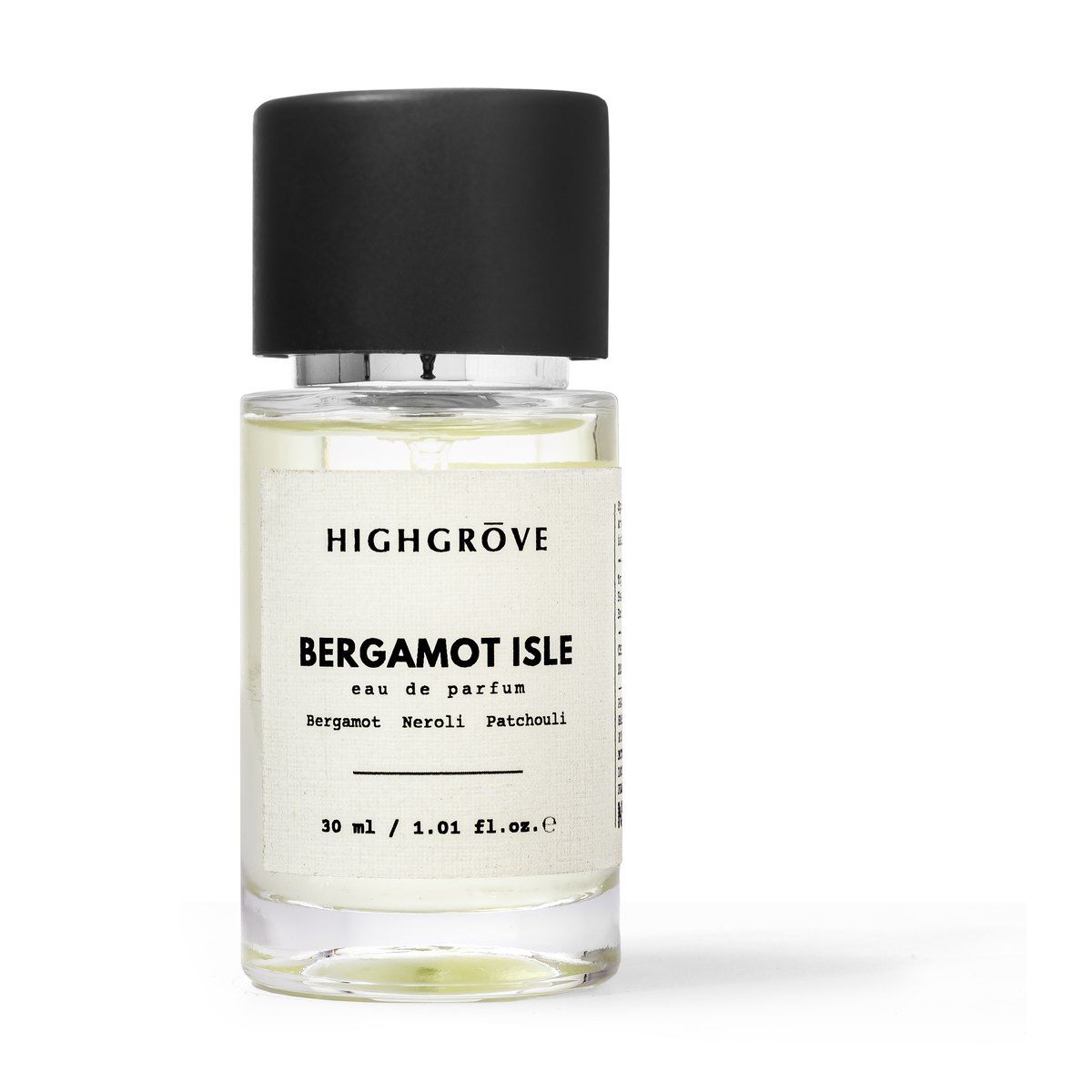
We shoot product images every working day and have done for nine years. The question we get asked most by brands setting up in-house is which camera to buy. The honest answer is that the camera body is the least important purchase on the list, and the order most people buy in is close to backwards.
The short answer
Almost any interchangeable lens camera made in the last eight years will produce listing images that pass on Amazon, Flipkart or your own site. The differences between a Rs 60,000 body and a Rs 2,50,000 body barely show on a product shot on white. The differences between good light and bad light show immediately, at thumbnail size, to someone who knows nothing about photography.
So if you have a fixed budget, spend it in this order: light, then lens, then tripod, then body. That order is the whole article. The rest is detail.
Why the body matters least
Product photography is the easiest job you can give a sensor. The subject does not move. You are on a tripod. You can shoot at base ISO, at the sharpest aperture on the lens, with as long an exposure as you like. Every weakness that separates an expensive body from a cheap one, high ISO performance, autofocus tracking, burst rate, is a weakness you never encounter.
The things that do matter on a body are unglamorous. A tethering option so you can see the frame full size while you shoot rather than squinting at a three inch screen. Reliable white balance you can set with a grey card. Enough resolution that a marketplace zoom does not go soft, which in practice means anything from 20 megapixels up.
What to actually buy in India
If you are starting from nothing, an APS-C mirrorless body is the sensible floor. The Canon EOS R50, Sony ZV-E10 and Nikon Z50 all sit in a similar bracket and any of them is more camera than a listing shot needs. Prices move constantly, so treat any figure you read online as indicative and check current street price.
A used body is the best value in this category and almost nobody does it. A product camera lives on a tripod in a controlled room. Shutter count and weather sealing, the things that matter on a used camera for a wedding photographer, are close to irrelevant here. A well kept used full frame body from two generations back will outperform a new entry level body and often costs the same.
If you are shooting full time, full frame buys you slightly cleaner files and a wider choice of macro glass. It does not buy you better listings. Move up when the volume justifies it, not before.
The lens is where the money should go
This is the part that changes your images. For product work you want a macro lens in the 90mm to 105mm range. The Canon RF 100mm Macro, Sony 90mm Macro and Sigma 105mm Macro are all excellent and all do the same job.
Two reasons. First, a macro focuses close enough to fill the frame with a 5ml bottle or a single capsule, which a normal lens simply cannot do. Second, a longer focal length compresses the subject, so a bottle looks like a bottle rather than leaning away from the camera with a distorted label. Shoot a carton on a 24mm wide angle and the sides splay out. Shoot it on 100mm and the box looks like a box.
If a macro is out of budget, a 50mm prime is the next best thing and cheap in every mount. You lose the close focus, so small products become a problem, but the geometry is still honest.
What you should not buy
Do not buy a superzoom kit lens for product work. It is soft at the edges exactly where your label sits, and it will not focus close.
Do not buy a full frame body and then put the kit lens on it. That is the most common expensive mistake we see. The money went to the part that does not matter.
Do not buy a camera at all if the products you sell are simple packs and your volume is low. Ten SKUs a year does not justify a studio. Sending them to a studio is cheaper than owning the gear, and the pricing works out at a level most brands are surprised by.
The phone question
A recent phone will produce a usable image of a simple opaque pack in good light. It will not produce a usable image of glass, of anything reflective, of a dark product on white, or of a small product that needs to fill the frame. The computational processing that makes phone photos look good in daylight actively works against you on a product shot, because it is guessing at a scene and your scene is deliberately plain.
The real limitation is not sharpness. It is that a phone cannot be locked to identical settings across a two hundred SKU catalogue, so your range drifts, and a range that drifts looks careless in exactly the place buyers compare.
What to buy, in order
| Priority | What to buy | Why |
|---|---|---|
| 1 | Light | Good light shows at thumbnail size. Bad light shows immediately |
| 2 | A macro lens, 90mm to 105mm | Fills the frame with a small bottle and keeps a bottle looking like a bottle |
| 3 | A tripod | Product work lives on a tripod at base ISO |
| 4 | The camera body | Almost any interchangeable lens camera from the last eight years passes on Amazon and Flipkart |
What we use and why it does not matter
We shoot on full frame bodies with macro glass, tethered, because we are shooting hundreds of SKUs a month and the time saved on set pays for the gear. None of that is necessary to get a good listing image. It is necessary to get a good listing image at speed and at consistency across a catalogue, which is a different problem and the one clients actually hire us for.
None of this is new, incidentally. The #1 rule of photography has always been that light does the work, and every gear decision above is downstream of it. The wider fundamentals are in the 7 basics.
Camera for product photography: common questions
What is the best camera for product photography?
Almost any interchangeable lens camera made in the last eight years works. For a first body, an APS-C mirrorless such as the Canon EOS R50, Sony ZV-E10 or Nikon Z50 is more camera than a listing shot needs. Spend on light and a macro lens before the body.
Can I use a phone for product photography?
A recent phone handles a simple opaque pack in good light. It struggles with glass, reflective products, dark products on white and small items that must fill the frame. It also cannot be locked to identical settings across a large catalogue.
Is a used camera fine for product work?
Yes. A product camera lives on a tripod in a controlled room, so shutter count and weather sealing matter little. A well kept used full frame body from two generations back often costs the same as a new entry-level body and outperforms it.
Which lens is best for product photography?
A macro lens in the 90mm to 105mm range. If that is out of budget, a 50mm prime is the next best thing, though small products become a problem without close focus.
If you want the shoot handled rather than the gear owned, our product photography works on a courier-in basis from our Thane studio. If you are buying gear, start with lighting, which is the purchase that changes your images most.