What is the #1 rule of photography?
Light does the work. Everything else, composition rules included, is arranging what the light has already decided.
Ask ten photographers and you will get the rule of thirds, fill the frame, or that there are no rules. The rule of thirds is a composition guideline and a fairly weak one. It is not the first thing.
The first thing is light, because photography is literally the recording of it. Camera, lens and settings only decide how faithfully you capture the light that is already there. If it is bad, you are capturing bad light accurately.
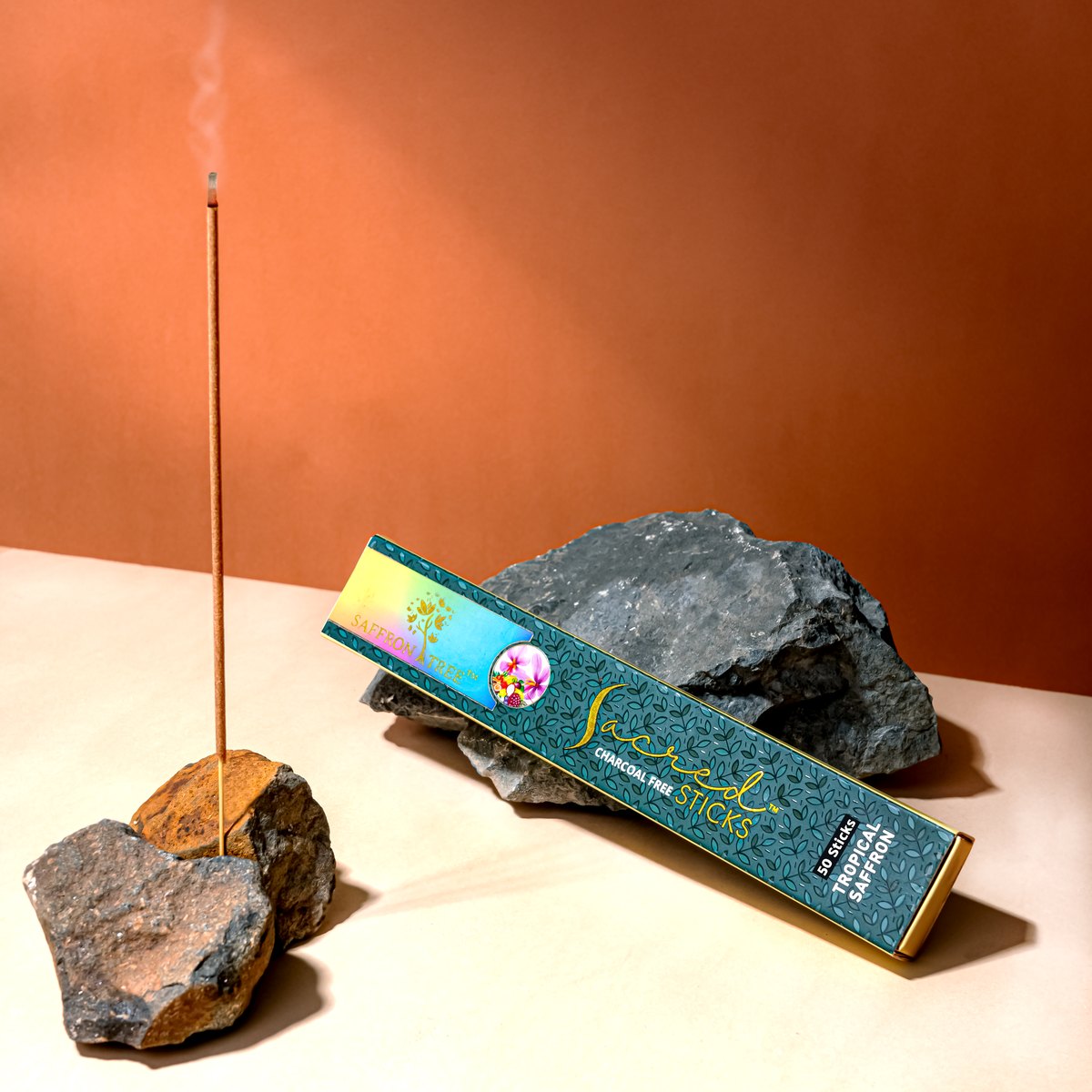
This is easy to test. Take the best camera you can find and photograph a product under a bare ceiling bulb. Hard black shadow, a blown white spot on the label, a grey cast on the background. Now take a phone and shoot the same product beside a large window with a sheet of white card on the other side. The phone image wins, and it is not close.
**What the rule means in practice.** Notice light before you notice anything else. Where is it coming from, is it hard or soft, what colour is it, and where is it not reaching. Ask those four questions before you touch the camera and most technical problems stop happening.
**The one thing inside it worth memorising.** A bigger light source relative to your subject gives softer shadow. A bare bulb is small and gives a hard black edge. The same bulb through a large diffusion panel is big and gives a soft gradient that describes shape. This single relationship explains softboxes, diffusion, why overcast days flatter faces, and why a window works so well.
**Why this matters commercially.** For products, light is not decoration. It is what makes a bottle read as three dimensional instead of pasted onto the background, and it is what makes a white pack separate from a white background instead of dissolving into it. Both of those are the difference between a listing that looks professional and one that does not, at thumbnail size, to someone who knows nothing about photography. Getting that right consistently across a whole catalogue is most of what a product photography shoot is buying you.
If you want the practical version, lighting kits covers what to buy, and natural light covers doing it for free.