This gets asked by people deciding what to learn or what to build a business around. We run a commercial studio in Thane, so this is the view from inside one, which is narrower than a market report and more honest about what actually pays.
The short answer
Commercial photography tied to something being sold online is where the sustained demand is. Everything else is either seasonal, saturated, or both.
The reason is structural rather than fashionable. Every brand that sells online needs new images every time it launches a SKU, changes packaging, enters a marketplace, or runs a campaign. That is recurring work with a business reason behind it, and it does not depend on anyone feeling inspired.
Where the demand actually is
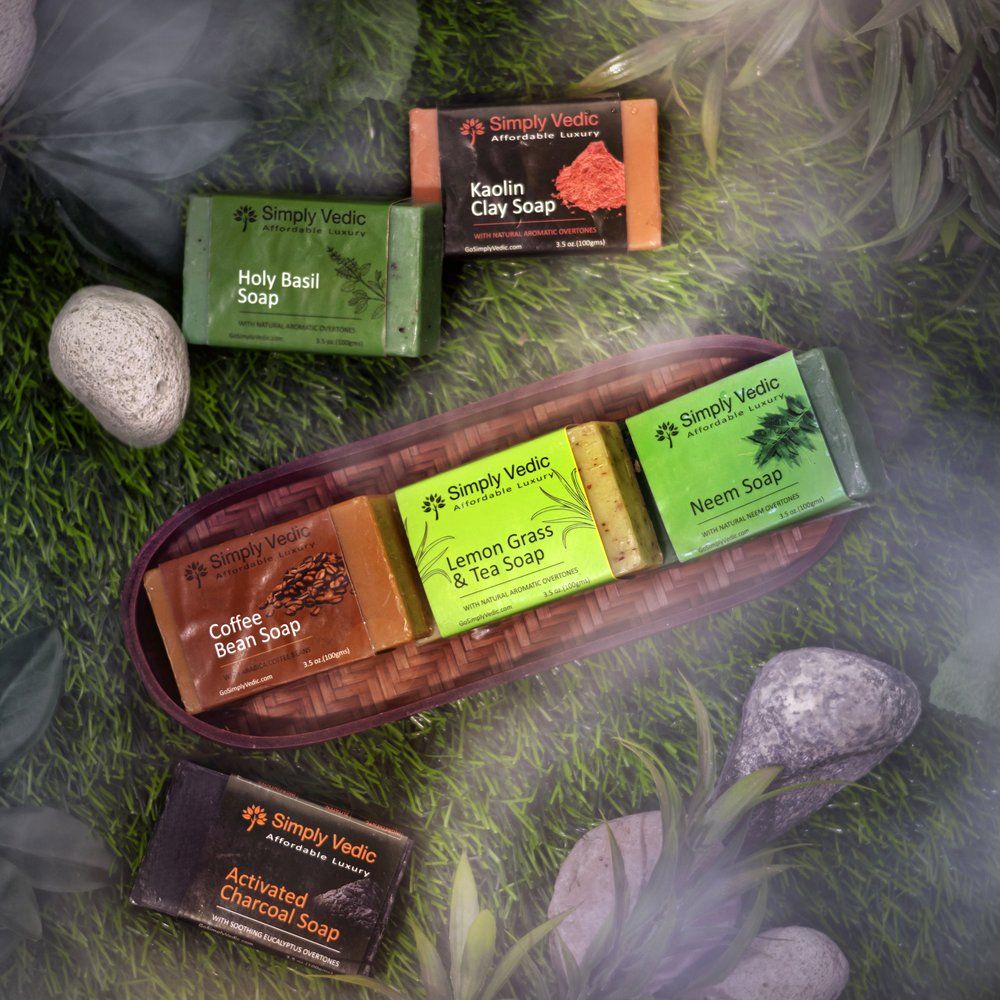
Product and e-commerce photography. The largest and steadiest category. Driven by D2C brands, marketplace sellers and now quick commerce, which added an entire new set of image requirements to FMCG almost overnight.
Food photography. Restaurants, cloud kitchens, packaged food, and delivery platforms that require photography to a spec. High repeat demand because menus change.
Content shoots for social. Not one hero image but forty assets from one session. Brands need volume continuously and this has become a large share of commercial studio work.
Model and lifestyle work for products. Not fashion editorial. Hands, application, scale, use. Growing fast in grooming, wellness and beauty.
Real estate and property. Steady, driven by listings rather than taste.
Where it is harder than people expect
Wedding photography. Large market, extremely crowded, seasonal, and price competition is brutal at the entry level. Good money at the top and very hard to reach the top.
Portrait and personal branding. Real demand, but the client buys once and does not come back for a year. Repeat business is the thing that makes a studio survive.
Travel and landscape. Almost no commercial buyers relative to the number of people producing it.
Event photography. Steady but rate compressed, and increasingly clients accept phone footage.
The thing that actually decides it
Repeat business, not day rate.
A wedding might pay more for one day than a product catalogue does. The catalogue client comes back when they launch the next SKU, and the one after that, and refers other brands in the same category. Two years in, the studio built on recurring commercial clients is stable and the one built on one off bookings is still selling every month.
This is the part most people deciding what to learn get wrong. They compare rates. They should compare how often the same client pays.
What AI changed
Generated imagery has taken the bottom off generic stock and conceptual work. If the image does not have to be of a specific real thing, it is under pressure.
Product photography sits on the right side of that line, because the image has to be of the actual item a customer will receive. That is a documentary requirement, not an aesthetic one, and it is why demand here has held up while other genres have not.
The categories still growing are the ones where reality is the point: product, food, real estate, documentation.
If you are choosing what to build
Pick a category where the client has a commercial reason to come back, and get specific rather than broad. A studio known for shooting glass and reflective packaging gets called by every beauty brand in the city. A studio that shoots everything competes on price with everyone.
Specificity is what let us build around D2C brands rather than chasing whatever came in. If you want to see what that looks like in practice, the portfolio is the answer, and what the work costs is the other half of the question.