Most trend articles list visual styles. Those matter least. The changes actually affecting what brands need to shoot in 2026 are structural, and three of them came from outside photography entirely.
1. Quick commerce broke the pack shot
This is the biggest change in Indian product photography and almost nobody frames it as a photography story.
On Blinkit, Zepto and Instamart, a grocery order completes in ten minutes and most buyers never open the product page. The tile is the entire listing. Every decision, brand recognition, pack size, flavour, is made from a thumbnail while someone is scrolling.
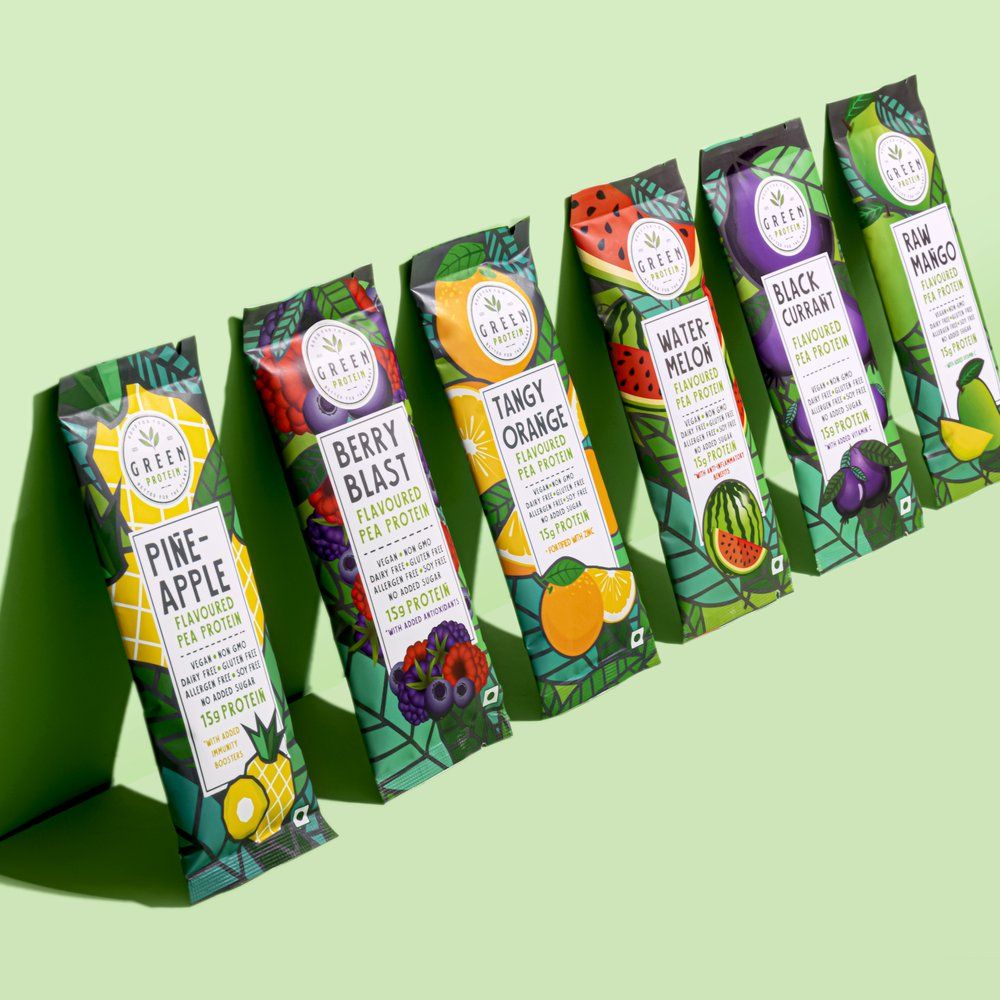
That inverts how a pack shot is judged. Composition that looks considered on a monitor is invisible at tile size. What matters now is the pack filling the frame, the face carrying the weight and variant pointing at camera, and enough edge separation that a pale pack does not vanish into the white grid.
If you sell FMCG in India, this is the shift to act on. We cover it properly in how to shoot for Blinkit.
2. AI split into two very different things
Worth separating, because they get discussed as one.
AI in the editing pipeline is genuinely useful. Masking, background extension where you cropped too tight, dust removal, removing a stray object from a lifestyle frame. This is real time saved and we use it.
AI generating the product is a problem. Anything that regenerates part of the packaging is inventing detail. On a listing image that is a compliance issue as well as an honesty one, and on marketplaces that increasingly detect it, a risk to the listing.
The commercial reality underneath is more interesting than either. As generated imagery gets cheaper and more common, a photograph that is demonstrably of the real product gets more valuable, not less. Brands that can prove the shot is real have something the generator cannot supply.
3. Search results now summarise instead of link
AI summaries at the top of search results answer the question without the click. For anyone relying on search traffic this is a structural headwind and it is not reversing.
For product photography specifically it changes the job of an image. Images increasingly get surfaced inside those summaries and inside visual search, which means the image has to work stripped of its page, its title and its description. An image that only makes sense with the copy around it is losing.
4. Video moved from optional to expected
Marketplaces favour listings with video, every social channel is video first, and the slot is still empty on most listings. That last part is the opportunity: this is a trend most sellers have heard about and not acted on.
The practical version is not a production. It is fifteen to thirty seconds shot in the same session as the stills. How to combine the two covers what it costs and what it saves.
5. Model imagery for products that are not worn
Hands, application, scale, use. Not fashion modelling, just a human in frame with a product that is not clothing.
It works because it answers questions a pack shot cannot: how big is it, how does it feel, what does it actually look like on skin. Wellness, grooming and food categories in India have moved on this noticeably in the last two years.
6. Honest imagery is outperforming aspirational
The heavily styled, perfectly retouched aesthetic is losing ground to images that look like the product as it arrives. Texture visible. Real surfaces. Slightly imperfect.
Part of this is that heavily produced imagery now reads as possibly generated. Part is that returns are expensive, and an image that oversells is an image that generates a return.
What did not change
Worth saying, because trend lists imply everything is new.
Pure white main images on marketplaces. Colour accuracy. Legible back labels. Consistency across a range. Enough resolution for zoom. These have been the requirements for a decade and they are still what most listings get wrong.
A brand doing those five things well and ignoring every trend in this article will outperform a brand chasing trends with an inconsistent catalogue. The fundamentals are not glamorous, which is exactly why they stay an advantage.
What we would actually do in 2026
Fix consistency across your range first. Add the empty slots on your listings, particularly the back label and the scale shot. Shoot fifteen seconds of video in the same session. If you sell FMCG, reshoot your packs for tile size. Then think about aesthetics.
Our product photography works on a courier-in basis from Thane, stills and video in one session.