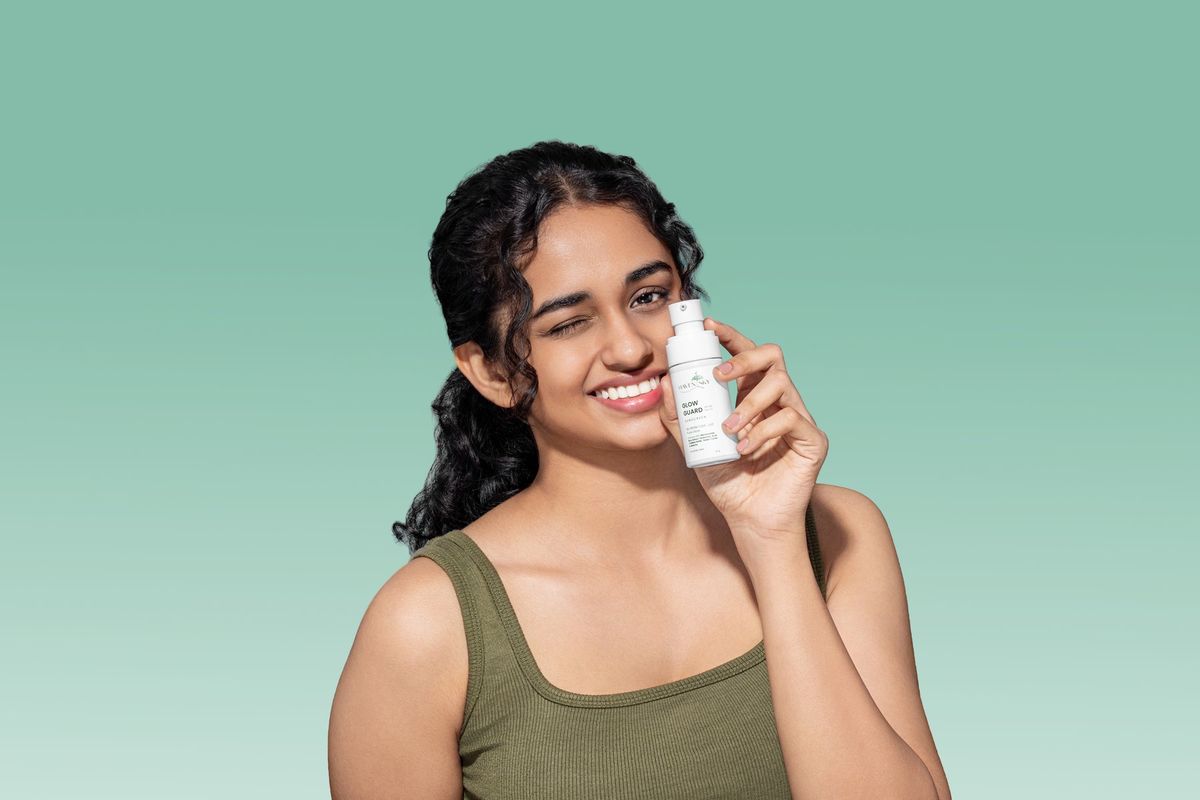
AI image generation has exploded. Tools like Midjourney, DALL-E 3, and specialized platforms like Photoroom promise to revolutionize how brands create product visuals. The appeal is obvious: generate professional-looking images in seconds without expensive photoshoots.
But here's what the hype doesn't tell you: AI images come with significant trade-offs that can hurt your brand. This guide provides an honest, educational breakdown of the top AI tools, their real capabilities, and why professional photography still matters for building customer trust.
The AI Product Image Landscape in 2026
The market has matured significantly. We've moved from experimental tools to polished platforms specifically designed for ecommerce. However, each tool has distinct strengths and weaknesses that affect which use cases they're actually good for.
Understanding these nuances helps you deploy AI strategically — not as a replacement for professional photography, but as a supplement that handles specific tasks well.
Top AI Tools: Honest Reviews
1. Midjourney
What it does: Generates highly artistic images from text prompts. Known for creating stunning, stylized visuals with excellent composition and lighting.
Pros:
Exceptional aesthetic quality: The images look professionally art-directed. For lifestyle backgrounds, mood boards, and social media concepts, the results are impressive.
Creative exploration: Generate 50 variations of a concept in minutes. Great for brainstorming visual directions before committing to a real shoot.
Cost efficiency: $30/month for unlimited generations vs. thousands for a single professional lifestyle shoot.
Cons:
Cannot generate YOUR product: This is the critical flaw. Midjourney hallucinates. It will create a perfume bottle, but not YOUR perfume bottle with YOUR exact label, proportions, and cap design. Every generation will be slightly different.
Brand consistency impossible: If you need 100 product images that all look like the same item, Midjourney fails. Each generation invents new details.
Legal gray zone: Using fully AI-generated images for commercial products is under legal scrutiny. Some brands have faced backlash for 'fake' product images.
Best for: Mood boards, background concepts, social media inspiration — NOT your main product images.
2. DALL-E 3 (ChatGPT Plus)
What it does: OpenAI's image generator, now integrated into ChatGPT. Creates images from natural language descriptions with better prompt understanding than Midjourney.
Pros:
Natural language prompts: You can describe what you want conversationally without learning complex prompt syntax.
Text rendering improved: Unlike earlier versions, DALL-E 3 handles text on products reasonably well — though not perfectly.
Integrated workflow: If you're already using ChatGPT, image generation is seamless.
Cons:
Same fundamental problem: Like Midjourney, it cannot replicate YOUR specific product. It generates interpretations, not reproductions.
Stylistic inconsistency: Results vary dramatically between generations. Getting consistent visual language across images is challenging.
Lower artistic ceiling: While more controllable than Midjourney, the outputs often look more generic and less 'premium'.
Best for: Quick mockups, placeholder images during product development, internal presentations.
3. Photoroom
What it does: Specialized for ecommerce. Removes backgrounds, places products in AI-generated environments, and offers templates for marketplace compliance.
Pros:
Actually product-focused: Unlike general AI tools, Photoroom is built for real products. You upload YOUR product photo, and it manipulates the background — keeping the product authentic.
Background removal excellence: Industry-leading edge detection. Works well even on complex products like jewelry or transparent packaging.
Marketplace templates: Pre-built layouts for Amazon, Flipkart, Shopify that ensure compliance.
Cons:
Garbage in, garbage out: If your original product photo is poorly lit or blurry, Photoroom can't fix that. It enhances backgrounds, not product quality.
AI backgrounds can look fake: The generated environments sometimes have 'AI tells' — unnatural shadows, perspective mismatches, surfaces that don't quite look real.
Limited creative control: You're working within templates and presets, not creating from scratch.
Best for: Quick background replacements when you already have good product shots. NOT a substitute for quality original photography.
4. Adobe Firefly / Generative Fill
What it does: Adobe's AI integrated into Photoshop. Extends backgrounds, removes objects, and generates contextual elements that blend with existing images.
Pros:
Works WITH real photos: This is the key advantage. You start with a real product image and extend it intelligently. The product stays authentic; only the context is generated.
Professional integration: If your team already uses Photoshop, Firefly is built in. No new software to learn.
Commercial license: Adobe's terms explicitly allow commercial use, reducing legal risk compared to other tools.
Cons:
Requires good source material: You still need professional photography of your product. Firefly extends and enhances — it doesn't replace the shoot.
Results require refinement: Outputs often need manual cleanup. Straight-from-AI rarely works perfectly.
Subscription cost: You need a Creative Cloud subscription, which adds up for small brands.
Best for: Extending lifestyle images, removing distracting elements, creating marketing variations from studio shots. The best hybrid approach.
5. Pebblely
What it does: AI-powered product photography platform. Upload a photo, and it places your product in generated lifestyle scenes.
Pros:
Ecommerce-specific: Designed for products, not general images. Scenes are relevant (kitchen counters, desk setups, nature backgrounds).
Fast turnaround: Generate dozens of lifestyle variations in minutes.
Preserves product authenticity: Since you upload the real product image, the item itself stays accurate.
Cons:
Context can look obviously AI: The generated scenes, especially complex ones, often have telltale 'AI smoothness' that savvy consumers recognize.
Limited customization: You're selecting from predefined scene types, not creating custom environments.
Scale limitations: Results work for social media thumbnails but may look artificial at larger sizes.
Best for: Quick social media variations, A/B testing different contexts, supplementing (not replacing) your core product images.
The Trust Problem: Why AI Images Hurt Your Brand
Here's what the AI tool marketing doesn't emphasize: customers are becoming adept at spotting AI-generated content, and they don't like it.
Consumer Skepticism is Growing
Research shows that when consumers suspect an image is AI-generated, trust drops by 40%. They wonder: Is this a real product? Will it look like this when it arrives? Is this company cutting corners?
For ecommerce, trust is conversion. Anything that triggers skepticism costs you sales — even if the customer can't articulate why they clicked away.
The 'Uncanny Valley' Effect
AI images often land in an uncomfortable middle ground. They're too polished, too perfect, with lighting that doesn't quite match physical reality. Shadows fall wrong. Reflections are inconsistent. Textures look synthetic.
This 'uncanny valley' creates subconscious discomfort. Customers feel something is 'off' without knowing exactly what. That feeling prevents purchases.
Platform Detection is Expanding
Instagram, Facebook, and Google are deploying AI detection algorithms. Meta now labels AI-generated content. There's growing evidence that fully AI-generated product images receive lower organic reach — the algorithm recognizes and downranks them.
If you rely on AI images, you may find your organic visibility declining, forcing you to pay more for ads to reach the same audience.
Returns and Complaints
AI-generated product images cannot show your actual product. They show an approximation. When customers receive something that looks different from the listing image — even slightly — return rates increase and reviews suffer.
One luxury skincare brand reported a 23% increase in returns after switching to AI-generated lifestyle images. The products 'didn't look like the photos' — because the photos weren't of the actual products.
Why Professional Photography Still Wins
Despite AI advances, professional product photography offers irreplaceable advantages for serious brands:
Authenticity Builds Trust
Real photographs prove your product exists exactly as shown. In a world increasingly flooded with synthetic content, authenticity becomes a competitive advantage. Premium brands demonstrate premium standards through genuine imagery.
Accurate Representation Reduces Returns
Professional photography captures true colors, textures, proportions, and materials. Customers know exactly what they're buying. This accuracy reduces returns, improves reviews, and builds long-term customer relationships.
Consistency Across Your Catalog
A professional studio maintains consistent lighting, angles, and styling across hundreds of products. Your catalog looks cohesive and curated. AI-generated images vary uncontrollably between generations.
Unique Brand Expression
Your photography style becomes part of your brand identity. The specific way light hits your products, the props you choose, the mood you create — these elements differentiate you from competitors. AI outputs are, by definition, derivative of what already exists.
Legal Clarity
Professional photographs are yours outright. The legal status of AI-generated commercial images remains murky, with ongoing litigation and evolving regulations. Real photography carries no such risk.
The Smart Hybrid Strategy
The most effective approach in 2026 isn't choosing between AI and photography — it's using each for what it does best:
Invest in professional photography for: Main product images (PDPs), Amazon/marketplace listings, flagship lifestyle shots, any image where accuracy matters for purchase decisions.
Use AI tools for: Extending backgrounds on real product shots (Firefly), quick social media variations (Pebblely, Photoroom), mood boards and creative exploration (Midjourney), placeholder images during product development.
Never use AI for: Your primary product representation, any image customers rely on to understand what they're buying, hero images on your website, images that will be scrutinized closely.
Making the Investment Decision
AI tools cost $20-50/month. Professional photography costs ₹1,000-3,000 per image. Superficially, AI seems like the obvious choice.
But consider the full picture: AI images that reduce conversion by even 10% cost you far more in lost sales than professional photography ever would. AI images that increase returns eat into margins. AI images that damage brand perception compound over years.
Photography is not a cost center. It's conversion infrastructure. It's trust-building. It's brand equity. The question isn't what photography costs — it's what it returns.
Conclusion
AI image tools are genuinely useful for specific applications. They excel at background generation, creative exploration, and quick social variations. They're terrible at representing your actual products authentically.
For any image that matters — anything customers use to decide whether to buy — professional photography remains the standard. The tools have improved, but the fundamental limitation hasn't changed: AI generates approximations, not your product.
Smart brands use both strategically. They invest in professional photography for their core product representation, then extend those real images with AI for marketing variations. This hybrid approach captures AI's efficiency benefits without sacrificing the authenticity that drives conversion.
If you're ready to build a professional product image library that you can then extend with AI tools, explore our studio services. We shoot the real foundation. AI handles the variations.