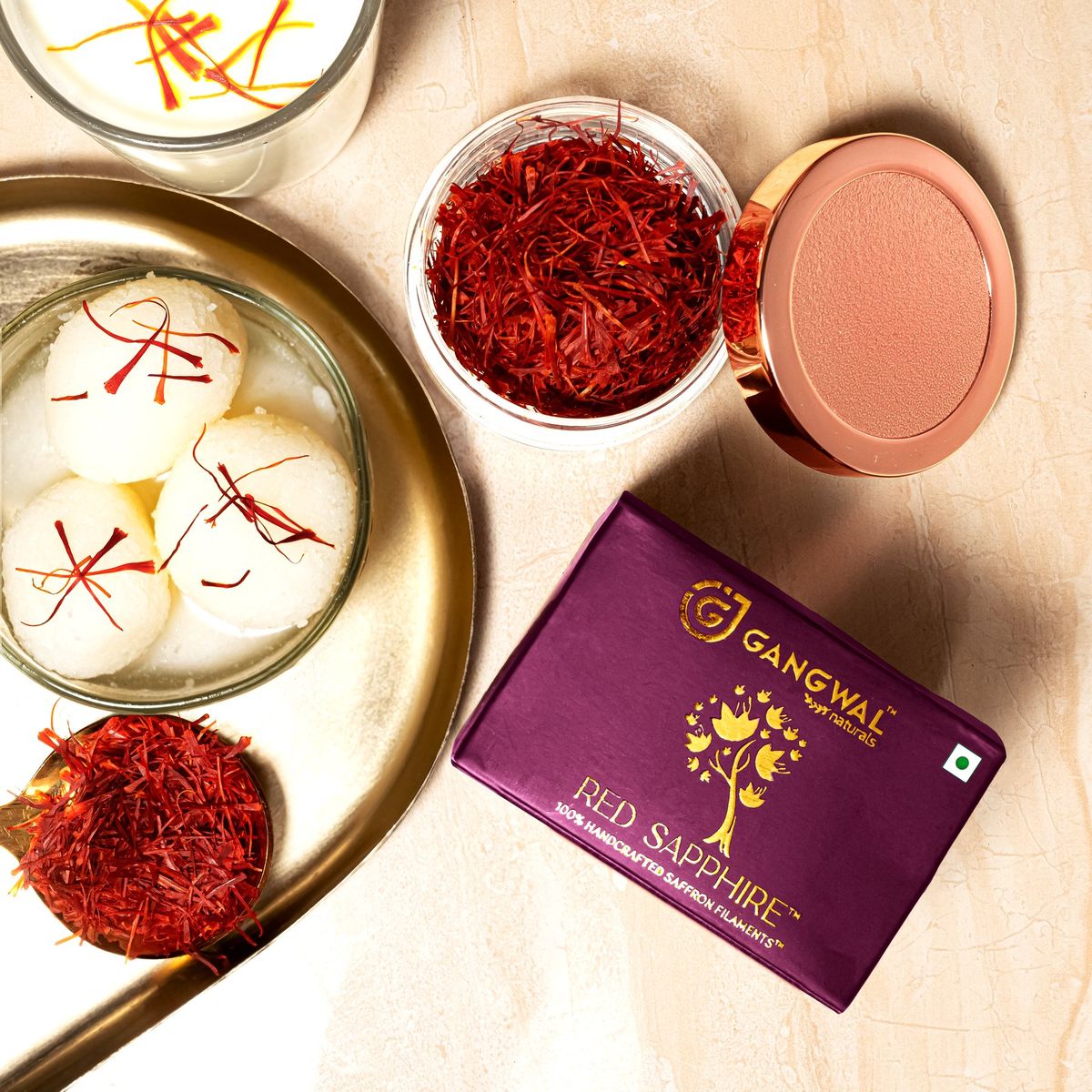
Finding decent product photography in Ahmedabad is harder than it should be if you're an ecommerce brand. Studios exist, but most are built around portraits, weddings, and events, with product work taken on the side. The result is technically fine images that somehow fail to move inventory. Sharp, well-lit, utterly forgettable.
Why most product photography doesn't convert
There's a gap between a good-looking photo and a photo that sells. Most studios don't acknowledge this gap exists. They hand you images that are clean and correctly exposed, and that's where their involvement ends. What happens to your conversion rate is your problem.
The difference comes down to intent. A product photo built for ecommerce has specific jobs: pass Amazon's white background compliance, communicate the product's size and texture at a glance, answer the visual questions a buyer has before they scroll away. Most wedding photographers turned product shooters have never thought about any of this.
Ahmedabad has a strong manufacturing base. Textiles, FMCG, pharmaceuticals, industrial goods. A lot of these brands are now going D2C or listing on marketplaces for the first time. They need photography built for that world, not imagery borrowed from a commercial branding playbook.
What "marketplace-ready" actually means
Amazon's image requirements are specific: pure white background (RGB 255,255,255), product filling at least 85% of the frame, no watermarks, no props in the main image. Getting rejected because your main image has a shadow or a lifestyle element is a real, annoying thing that happens to brands who work with studios that don't know these specs. A studio that shoots ecommerce regularly knows them cold. One that doesn't will cost you time you don't have.
Beyond compliance, there's the question of what the rest of your image set is doing. Most brands stop at the white-background main shot and call it done. Secondary images (infographics with callouts, lifestyle shots in context, close-ups of texture) are where buying decisions actually get made. A shopper who makes it to image four is already interested. Give them a reason to stay.
The logistics problem for Ahmedabad brands
If you want to work with a studio in Mumbai, which has a deeper pool of ecommerce photographers, the logistics aren't as painful as they sound. Pickup arrangements exist. You ship samples, the studio shoots, you get files digitally. For a brand operating primarily online, it works fine.
Regardless of where the studio is, ask to see actual Amazon listings they've shot for. Not a portfolio. Live listings. A portfolio is curated for aesthetics. A live listing shows whether the images got approved and how they perform in a real buying context.
How category changes everything
White background shots are required for marketplaces. Lifestyle photography is where brands look different from each other, and the approach needs to shift depending on what you're selling.
A skincare brand needs imagery that communicates texture, ingredient quality, and how the product fits into a routine. That's a different brief than what a hardware accessory needs, or what food needs. A studio that treats every product the same (same setups, same lighting ratios, same props) produces generic results regardless of technical skill.
Textiles and fashion, which Ahmedabad brands frequently operate in, need particular attention to fabric drape, weave detail, and colour accuracy. A saree that looks flat and poorly lit online will not sell, even if the product itself is exceptional.
What to actually ask a studio before booking
Skip the "how many years of experience" question. It tells you nothing. Ask these instead:
Do you shoot for Amazon listings specifically? If they hesitate, you have your answer.
Can you share examples from the same product category as mine? Portfolio pages mix categories on purpose. You want to see something comparable.
What does your deliverable set look like per SKU? Number of shots, formats, file sizes, turnaround.
Do you handle infographics and A+ content, or just raw images? Post-production layered onto photography is where much of the conversion work actually happens.
A studio that answers these clearly works in this space. One that pivots to showing you their event photography portfolio does not.
Video is not optional anymore
Amazon features video prominently on product pages. Instagram and Flipkart are video-first. A brand running only static images is at a real disadvantage against competitors using 15-second product reels as ad creatives.
The bar for product video isn't high production. It needs to be purposeful. A short clip showing how a face serum absorbs into skin, or how a bag's zipper mechanism works, does actual work. It reduces returns, builds trust, and gives you content that runs across platforms without starting from scratch each time.
When evaluating a studio, ask whether they handle video too. The best ecommerce setups do both, because the lighting, props, and product handling are already in place. Adding video on the same shoot day costs far less than treating it as a separate production.
On price
Product photography pricing in India varies a lot. The cheap end usually means raw images with no post-production, no infographics, no understanding of marketplace specs. That isn't a saving. It's a second spend when you realise the images don't work and you need to reshoot.
Think about what a shoot actually delivers, not just what it costs. Images that arrive Amazon-compliant, with lifestyle variants and infographic-ready files, cost less in the end than two or three cheaper shoots that each miss something.
If local options in Ahmedabad aren't built for ecommerce, studios like Team TSB work specifically in the D2C and marketplace space. Logistics across cities are manageable. Getting the images right the first time is what actually saves money.