If you've spent any time selling on Amazon India, you've probably noticed that the gap between a listing that gets clicks and one that gets ignored often has nothing to do with the product itself. It comes down to the photos. Most sellers either underspend or go to the wrong place. Figuring out what you actually need from an Amazon photography service means being honest about what the marketplace rewards, not what agencies are pitching. If you want the service itself, see our Amazon product photography services in India.
The Amazon listing is a visual argument
Your main image is fighting for attention in a grid of competitors. A shopper on their phone is making a split-second call: click or scroll. That happens before they read a single word of your title or check your reviews. The first job of any Amazon product photo is not to be beautiful. It's to stop the scroll.
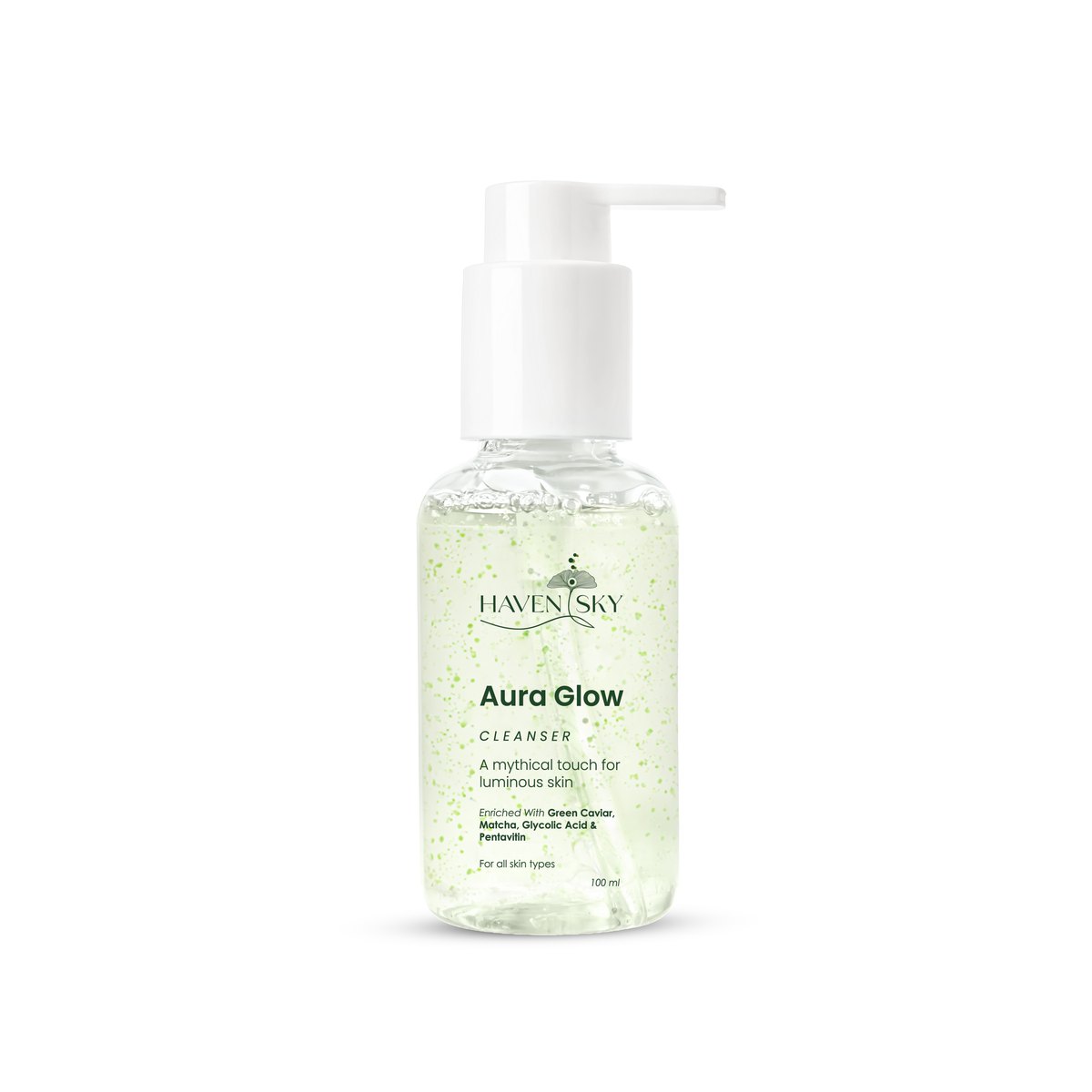
The main image must be on a pure white background (RGB 255,255,255). Amazon's guidelines are firm on this. What most sellers don't realize is that a badly lit white background and a properly shot one look completely different in the listing grid. One looks muddy or grey. The other makes the product pop. Same rule, very different results depending on who's behind the camera.
What the image stack actually does
Most photography service pages will sell you a package. Eight images, white background, delivered in five days. Fine. But here's what that misses: the reason a listing underperforms is rarely the main image. It's the supporting images (what Amazon calls the image stack) that do the selling once someone clicks through.
Those supporting images are where you explain the product. Size context, key ingredients, how it works, what makes it different from the competitor two rows above you. That's where infographics earn their place. A well-designed infographic on image 3 or 4 is often doing more conversion work than a lifestyle shot that looks good but says nothing.
Sellers who've scaled on Amazon know this. Newer sellers often don't, because they're focused on just getting something live. Understandable. But weak visuals are costing them sales every day that listing runs.
Lifestyle shots aren't optional anymore
A few years ago, lifestyle images were a nice-to-have. Now they're expected. Amazon's own data shows that listings with lifestyle imagery convert better, and with A+ content available to brand-registered sellers, there's no reason not to use it.
Good lifestyle photography shows the product in context. Not in a vague aspirational way, but in a way that answers the question every shopper is quietly asking: is this actually right for me? A skincare brand showing a product on a real surface, in real light, next to the ingredients it contains, tells a very different story than a floating bottle on white. Both have a place. Neither replaces the other.
The mistake is hiring one photographer for white-background shots and assuming lifestyle work will figure itself out. The best results come from a studio that thinks about both in the same session, with the same visual language, so the listing reads like a coherent brand rather than a collage.
Specs matter more than most sellers think
Amazon has specific technical requirements. Images need to be at least 1000 pixels on the longest side to enable zoom (1600+ is recommended). File format, colour profile, naming convention: these are requirements, not suggestions. Sellers have had images rejected or listings suppressed because their photographer delivered technically correct-looking photos that failed Amazon's backend checks.
A studio that shoots for Amazon listings regularly already knows this. They're not learning your product category's requirements on your dime. That's the real difference between a general photographer and someone who has delivered images for hundreds of Amazon SKUs across beauty, electronics, FMCG, fashion, and food.
Consistency across a catalogue is the harder problem
Most conversations about Amazon photography focus on a single hero product. If you have 40 SKUs shot at different times, by different people, in different lighting setups, your brand storefront looks like it was assembled from five different companies. Shoppers notice this even if they can't articulate it. It reads as untrustworthy.
Brands serious about Amazon build a visual system: defined angles, consistent lighting ratios, consistent props and surfaces for lifestyle work. Everything in the catalogue needs to feel like it belongs together. That's a process conversation, not just a photography conversation. Your studio needs to understand brand identity, not just camera settings.
A+ content
A+ content replaces the plain text product description with a designed layout: comparison tables, feature modules, lifestyle imagery with callouts. Amazon's own studies suggest it can increase sales by 3-10% on average, and in competitive categories the lift runs higher.
Most sellers treat it as an afterthought, uploading whatever extra images they have lying around. The sellers who get the most out of it plan the A+ layout before the photoshoot, so images are composed specifically for those modules. That requires a studio that handles both photography and design in-house.
What to ask before you book
Before committing to any service, ask to see the actual Amazon listings their work appears in. Not a portfolio of pretty photos. Live listings. Ask whether they deliver in Amazon-compliant specs. Ask whether infographic design is handled in-house or outsourced. Ask how they handle retakes if images get rejected.
Those questions separate studios that have worked inside the Amazon ecosystem from those who have simply photographed products and assumed that's the same thing.
At Team TSB in Thane, Mumbai, this is the work we do for D2C and ecommerce brands: white background, lifestyle, infographics, and A+ content as one connected system, not separate line items. Every frame has the same brief: does this image help sell the product? That's what Amazon product photography in India needs to deliver. Images that do commercial work, image by image, SKU by SKU. You can see what is included, the image requirements we shoot to and our rates on the Amazon product photography services in India page.